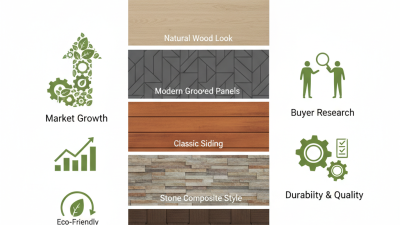
Top 10 WPC Wall Cladding Options for Global Buyers?
In recent years, the popularity of WPC wall cladding has surged among global buyers. This shift can be attributed to its remarkable durability and aesthetic appeal. According to a market research report by Statista, the global WPC market is projected to reach over $5 billion by 2027. With the increasing demand for eco-friendly materials, WPC wall cladding offers a sustainable alternative to traditional wood.
WPC wall cladding is a composite material made from wood fibers and plastic. It provides resistance against moisture and insects, making it suitable for various climates. However, not all WPC products are created equal, and buyers often face challenges in selecting the best options. Reports indicate that up to 30% of WPC products fail to meet quality standards, underscoring the need for thorough research and testing.
As more buyers enter the market, it is crucial to understand the intricacies of WPC wall cladding. Examining factors like manufacturing processes, fire ratings, and environmental impact is essential. While WPC wall cladding presents numerous advantages, potential buyers should remain cautious. The decision-making process requires a critical evaluation of different options to achieve the best results.
Top WPC Wall Cladding Materials: An Overview
WPC wall cladding is becoming increasingly popular among global buyers. It combines wood and plastic fibers, creating an attractive and durable option. These materials are designed to withstand harsh weather, making them ideal for both indoor and outdoor applications. WPC cladding also offers resistance to moisture and pests, providing peace of mind for homeowners and builders.
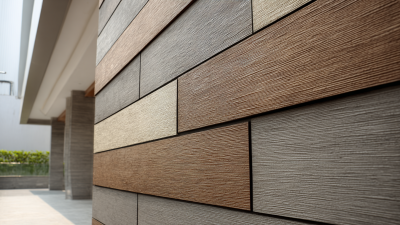
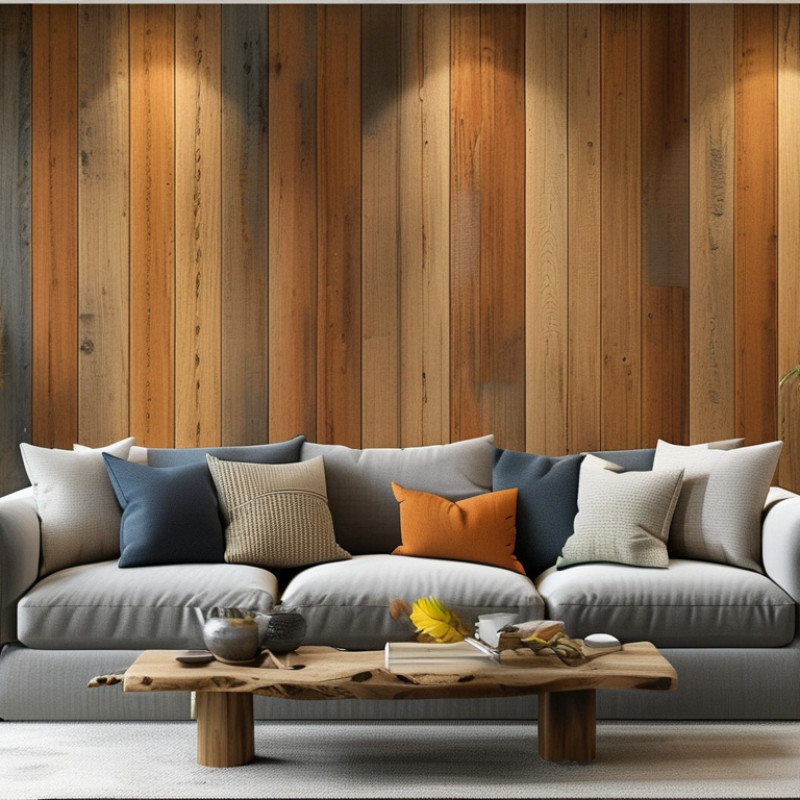
There are various WPC wall cladding materials available. Each comes with unique textures and colors, allowing for versatile designs. Some options mimic natural wood grain, providing an organic look without the drawbacks of traditional wood. Others feature sleek, modern finishes that appeal to contemporary tastes. However, not all materials are created equal. Potential buyers should consider factors like weight, installation methods, and maintenance requirements.
While the advantages are clear, WPC cladding does have its challenges. Some products may fade over time due to UV exposure. Others might expand or contract with temperature changes. It’s essential to research and choose wisely to avoid common pitfalls. Although WPC offers innovative solutions, continuous evaluation of its performance in diverse environments remains necessary for optimal satisfaction.
Top 10 WPC Wall Cladding Options for Global Buyers
| Material Type |
Thickness (mm) |
Color Options |
Durability (Years) |
Cost (USD per sqm) |
| Composite Wood |
20 |
Brown, Gray, Beige |
25 |
50 |
| PVC Laminated |
18 |
White, Black, Green |
20 |
40 |
| Bamboo Composite |
22 |
Natural, Dark Brown |
30 |
55 |
| Recycled Plastic |
25 |
Blue, Grey, Tan |
15 |
60 |
| Wood Plastic Composite |
20 |
Mahogany, Ash |
20 |
45 |
| Textured WPC |
24 |
Charcoal, Walnut |
30 |
50 |
| Solid Core WPC |
30 |
Cedar, Teak |
40 |
70 |
| Vinyl Coated WPC |
18 |
Red, Yellow |
25 |
65 |
| Engineered WPC |
16 |
Black, Silver |
15 |
35 |
| Eco-Friendly WPC |
20 |
Olive, Light Grey |
35 |
55 |
Key Factors to Consider When Choosing WPC Cladding
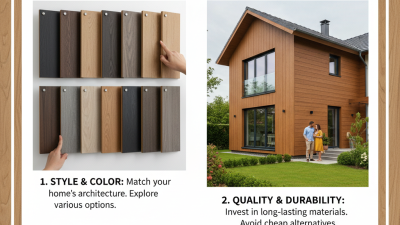
When selecting WPC (Wood Plastic Composite) wall cladding, several factors merit attention. Durability is paramount; it affects longevity and maintenance costs. Look for cladding that withstands various weather conditions without warping or fading. The material's resistance to moisture and insects is also critical, especially in humid climates.
Aesthetics play a vital role. The variety of finishes and colors can significantly enhance a property's look. Textures can mimic natural wood, which appeals to many homeowners. However, ensure that the cladding chooses a color that suits the overall design. This choice may require time and reflection, as colors can alter the atmosphere of your space.
Environmental impact is another key consideration. Opt for WPC products made from recycled materials for a greener choice. Researching the manufacturer's sourcing process is essential. Some producers may not prioritize sustainability. Therefore, verifying the product's credentials regarding eco-friendliness adds credibility to your purchase decision. These details matter deeply in today’s market, impacting beyond mere looks or cost.
Comparative Analysis of the Top 10 WPC Wall Cladding Brands
When selecting WPC wall cladding, a detailed comparative analysis reveals key differences among brands. Industry reports indicate that WPC cladding is gaining traction due to its durability and aesthetic appeal. Research shows these products typically contain around 70% recycled wood fibers, enhancing sustainability while reducing waste.
Deciding between brands can be daunting. Some products focus on eco-friendly materials, while others prioritize a low cost. Buyers should assess the longevity and maintenance needs of different options. A study found that consumers favor WPC cladding for its resistance to moisture and pests. Yet, long-term performance may vary widely between manufacturers.
A few tips to consider: Check if the cladding meets industry standards for durability. Look for companies that provide transparent sourcing information. Understand that aesthetics may come at a higher price. Balance cost with value to ensure a satisfactory choice. Small inconsistencies in quality can also lead to larger issues in installation or maintenance. Take your time to reflect on these factors before making a final decision.
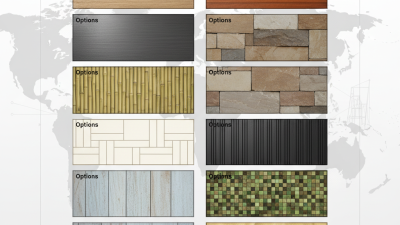
Comparison of Top 10 WPC Wall Cladding Options
Sustainable Practices in WPC Wall Cladding Production
The demand for wood-plastic composite (WPC) wall cladding is growing, driven by a shift towards sustainable building materials. Reports indicate that the global WPC market is expected to reach $7.67 billion by 2028. This growth reflects a rising awareness of eco-friendly practices in construction. WPC integrates recycled wood and plastic, reducing landfill waste and resource depletion. It provides an alternative that meets both aesthetic and functional needs.
Manufacturers are increasingly adopting sustainable practices in WPC production. Many companies are investing in closed-loop systems. These systems allow for the reuse of materials throughout the production cycle. Studies show that using recycled content can cut overall emissions by 30%. However, challenges remain. Not all manufacturers prioritize these practices. Some still rely heavily on virgin materials, which can negate environmental benefits.
Moreover, the responsible sourcing of raw materials is crucial. Forest management practices play a vital role in ensuring sustainability. Forest Stewardship Council certifications can guide consumers. Reports emphasize that approximately 15% of deforestation is linked to illegal logging. Educating consumers about these issues can drive demand for responsibly sourced WPC products, but awareness levels vary widely across regions. Improvements in transparency and commitment from manufacturers can further enhance the sustainability of WPC wall cladding.
Innovative Applications of WPC Wall Cladding in Design
WPC wall cladding is transforming design across various sectors. Its blend of wood and plastic provides durability and aesthetic appeal. Research shows that the global market for WPC materials is projected to reach $10.2 billion by 2027, indicating a sustained interest in sustainable building materials. This growth reflects a shift toward environmentally responsible construction methods.
Innovative applications of WPC wall cladding are enhancing both residential and commercial spaces. Designers incorporate WPC in unique ways, such as accent walls, outdoor facades, and sustainable urban environments. These installations not only improve the visual appeal but also offer weather resistance. Many architects appreciate that WPC is low maintenance, requiring less frequent repairs or replacements compared to traditional materials.
Yet, challenges remain. Some buyers wrestle with the perception of WPC as a less authentic alternative to natural wood. Additionally, concerns about how WPC performs in extreme weather conditions linger. Continuous research and feedback from field applications are vital. Addressing these uncertainties will help bridge the gap between conventional materials and innovative WPC solutions.

 Hot Selling