What Are the Best Wood Wall Panels in 2026?
In 2026, the best wood wall panels balance appearance, durability, installation needs, and cost. A Wood Wall Panel can warm a plain room, soften hard surfaces, or add texture behind a bed or desk. But the right choice depends on where it will go. A sunny living room, a busy hallway, and a damp basement place very different demands on wood.
Compare solid wood, veneer, engineered boards, and slatted panels before choosing. Check the core material, finish, panel thickness, and installation method—not just the sample’s color. Ask whether panels need acclimating, and measure the wall carefully around outlets, trim, and corners. Small details change the result. For rooms with echo, consider whether the panel system includes an acoustic backing; decorative slats alone may do little to reduce noise. In moisture-prone spaces, confirm the manufacturer’s guidance instead of assuming a wood-look finish is waterproof.
Good product descriptions should state what the panels are made from and how they are installed. Look for clear care instructions, warranty terms, and credible sourcing information where available. Photos help, but they can hide seams, color variation, and uneven walls. A sample viewed in your own lighting is more reliable. Still, no panel is ideal for every room, and a premium price does not guarantee a better fit. This guide compares popular options and practical trade-offs, so you can choose with fewer surprises—and question the details that remain unclear.
What Wood Wall Panels Are and How They Are Made
Wood wall panels are boards or assembled sections fixed to an interior wall to add texture, warmth, or visual structure. They can be made from solid timber, wood veneer bonded to a stable core, or engineered wood products. Some designs use narrow slats attached to a backing sheet, while others have wider, flat faces. The material changes the look and the way the panel responds to humidity. Worth checking.
Making a panel usually begins with selecting and drying the wood, then cutting it to size. Solid boards may be planed, joined, and sanded; veneer panels are formed by pressing thin wood layers onto a core. Slatted versions are cut into strips and secured to a backing, often with small, consistent gaps. A finish such as oil or lacquer can bring out the grain and help protect the surface, but it does not make every panel waterproof. In a real room, I would check the panel’s weight, backing, and installation instructions before choosing it. A slightly uneven wall can make tidy-looking joints harder to achieve. And wood can shift a little as indoor moisture changes.
Which Types of Wood Wall Panels Are Available in 2026
Wood wall panels in 2026 come in several distinct forms, each suited to different rooms and budgets. Solid wood boards offer natural grain and can be sanded or refinished over time. They feel substantial. However, wood can expand or contract as humidity changes, so allow for movement during installation.
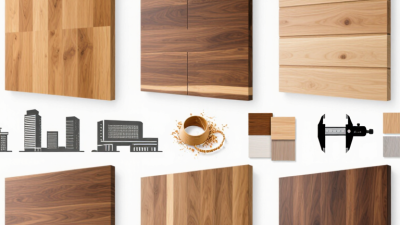
Wood veneer panels use a thin layer of real wood over a stable core, such as plywood or engineered board. They create a genuine wood surface with less material than solid boards. Plywood panels show layered edges and a clean, simple profile, while MDF panels support painted finishes and detailed patterns. Neither is automatically right for every room: check the product’s moisture guidance before using panels near sinks or damp walls.
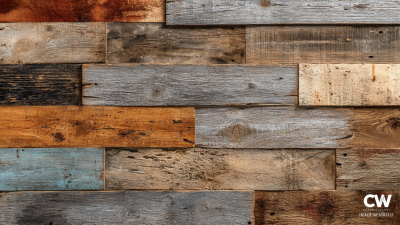
For texture, consider slatted panels, carved 3D designs, or reclaimed wood boards with visible marks and color variation. Some slatted options include a backing intended to help soften indoor sound, though results depend on the room and installation. Reclaimed boards bring character, but their uneven thickness can make fitting slower. One detail is easy to miss: compare panel depth, edge finish, and cleaning needs, not just the front surface. Small samples help reveal how grain and color look in your actual light.
How Solid Wood, Veneer, and Engineered Panels Compare
Wood wall panels in 2026 are best judged by how their construction suits the room, not by appearance alone. Solid wood offers natural grain, depth, and the option to sand and refinish many surfaces. It can also respond to changes in humidity, so gaps or movement may appear if installation and room conditions are poorly matched. Beautiful, but not effortless.
Veneer panels use a thin layer of real wood over a stable core. They can provide an authentic grain pattern with less solid timber, though the surface is generally harder to repair deeply. Check the veneer thickness, edge treatment, and finish before buying. A small sample helps, but it cannot show how a full wall’s grain will vary.
Engineered panels combine processed wood materials or other stable cores with a finished surface. Their consistent dimensions can make layout and installation more predictable, especially across large walls. However, “engineered” covers many constructions, and quality depends on the core, adhesives, and finish. Ask for product specifications, and consider how the panel handles moisture near kitchens or entryways. I’d compare samples in the actual room’s light; color can shift more than expected. And details matter.
Which Wood Wall Panels Suit Different Rooms and Needs
What Are the Best Wood Wall Panels in 2026?
Which Wood Wall Panels Suit Different Rooms and Needs
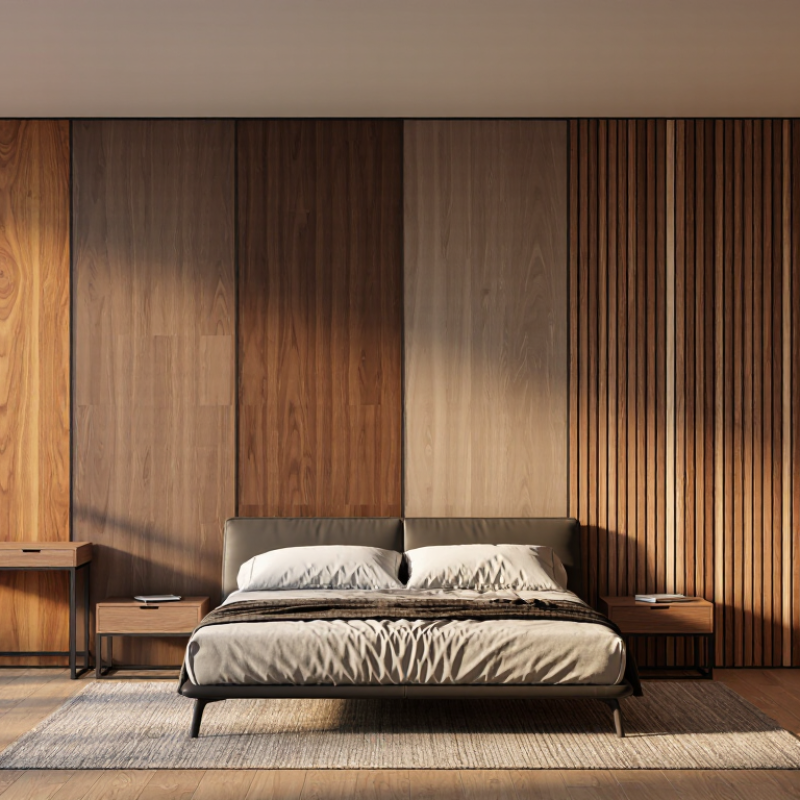
Living rooms suit veneer or solid-wood slat panels, which add warmth without covering every wall. In a home office or media room, acoustic-backed panels can soften reflected sound; check tested acoustic ratings rather than judging by thickness. A sample board can surprise you: grain, sheen, and room lighting often look different together.
Bedrooms call for low-emission materials, especially when using composite panels. The U.S. EPA’s TSCA Title VI limits formaldehyde emissions to 0.05 ppm for hardwood plywood, 0.09 ppm for particleboard, and 0.11 ppm for medium-density fiberboard. Check product documentation and installation instructions. Fresh air matters.
Kitchens and bathrooms need more caution. Keep wood away from direct splashes and persistent steam, or choose sealed panels designed for those conditions. The USDA Forest Products Laboratory’s Wood Handbook places wood’s fiber-saturation point near 30% moisture content; below that point, moisture changes can cause wood to shrink or swell. Hallways may benefit from durable, replaceable panels, while small rooms often feel crowded when dark, wide planks cover every wall. Not everywhere. Choose by exposure, cleaning needs, and the look you can live with.
What Are the Best Wood Wall Panels in 2026?
Which wood wall panels suit different rooms and needs? The chart compares typical room suitability on an editorial 1–5 scale: 1 means less suitable and 5 means more suitable. Scores are general guidance, not laboratory ratings; moisture exposure, product construction, and installation affect real-world performance.
Quick guide: Veneered engineered wood and slatted acoustic panels are often good choices for dry living spaces and home offices. Solid wood and reclaimed wood can add character, but require careful installation and maintenance. For kitchens and bathrooms, check the manufacturer’s moisture guidance and use suitable ventilation; many wood panels are not intended for wet areas.
How to Choose, Install, and Maintain Wood Wall Panels
Choose panels by room conditions, not appearance alone.
Solid wood offers natural grain, while veneered or engineered panels can provide steadier dimensions. In kitchens and entryways, consider moisture exposure and cleaning needs. The USDA Forest Products Laboratory’s Wood Handbook (FPL-GTR-282, 2021) reports equilibrium moisture content of about 7.7% at 70°F and 40% relative humidity, rising to 16% at 80% humidity. That movement matters. Select a suitable panel construction, and follow its installation guidance.
Before installation, check that the wall is dry and reasonably flat. Find the studs, mark their positions, and plan where panel joints will land. Acclimate the panels in the room as directed by the manufacturer; timing varies by material and climate. Leave the specified expansion gap at edges and around fixed obstacles. A careful layout helps, but a crooked first panel can still throw off the whole wall. Annoying, but fixable early.
For maintenance, remove dust with a soft, dry cloth and wipe marks with a lightly damp one. Avoid soaking the surface or using abrasive cleaners. Check seams and corners occasionally, especially near sinks, windows, or exterior doors. If panels begin to cup, swell, or loosen, investigate moisture before tightening or replacing anything. A small leak can create a large repair. Keep indoor humidity steady where practical, and use ventilation after cooking or bathing.

 Hot Selling