What Is a WPC Wall Panel and What Are Its Benefits?
A Wall Panel Wpc combines wood fiber or flour with thermoplastics, often polyethylene or polypropylene. The blend is shaped into boards, then finished with colors, grooves, or a textured surface. In a room, that might mean a warm-looking feature wall without the knots and seasonal movement of solid timber. Small details matter: core composition, surface coating, and installation gaps can affect long-term performance.
The wider market offers useful context, but it does not prove that every panel performs equally. Grand View Research’s Wood Plastic Composites Market Size, Share & Trends Analysis Report estimated the global market at about US$7.2 billion in 2023 and projected continued growth through 2030. That figure covers many WPC products, not wall panels alone. Still, it signals growing interest in wood-plastic materials across construction and related sectors. Buyers often value their consistent appearance, straightforward cleaning, and resistance to moisture compared with untreated wood. Yet “low maintenance” is not “maintenance-free.” Heat, sunlight, poor ventilation, or careless installation can still cause trouble. Product specifications deserve a close read. This guide explains what WPC wall panels are, how they are made, and which benefits are realistic in everyday use.
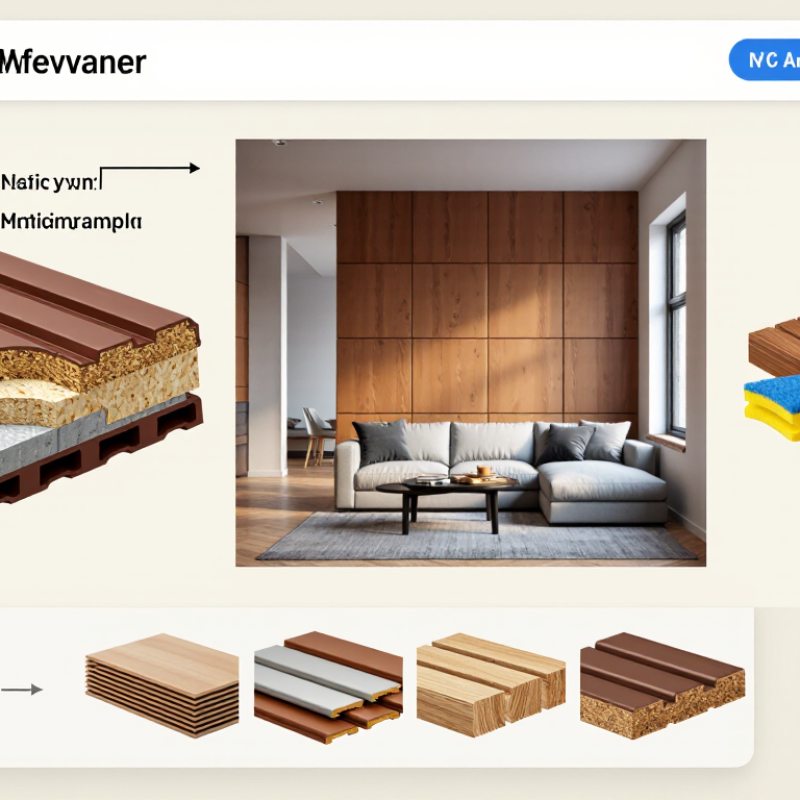
What Is a WPC Wall Panel?
A WPC wall panel is a building finish made from wood fibers or fine wood flour combined with thermoplastic material, such as polyethylene or PVC. Manufacturers blend these ingredients with processing additives, then form the mixture into boards or shaped profiles. The result has a wood-like appearance, but it is a composite rather than solid timber. It is not quite wood, and that distinction matters.
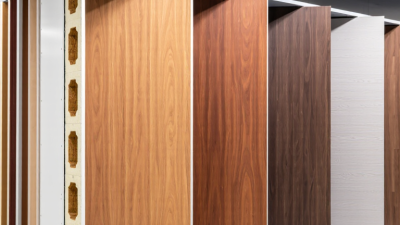
Panels may be hollow or solid, with smooth, grooved, or embossed surfaces. Many use interlocking edges, which can create a continuous wall covering. For example, a panel might run vertically behind a desk or horizontally along a sheltered patio wall. Its exact composition, weight, surface finish, and intended location vary by product. Check the technical sheet before choosing one.
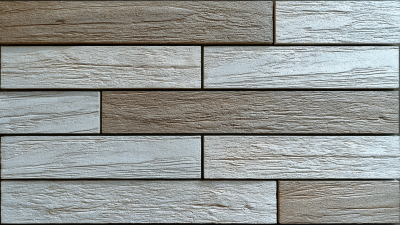
WPC can resist moisture better than untreated wood, but that does not make every panel waterproof. Sunlight, temperature changes, and poor installation can still cause fading, movement, or damage. Leave the expansion gaps specified by the manufacturer, and use suitable fixings for the wall beneath. A wood-grain texture may look convincing from a distance; up close, it can feel different from natural timber. That trade-off is worth considering.
What Materials Make Up a WPC Wall Panel?
A WPC wall panel is a composite, not a single-material board. Its wood component is usually fine flour or fibers, such as pine or hardwood left from milling. The plastic matrix commonly uses polyethylene, polypropylene, or PVC. USDA Forest Service researcher D. Clemons reviewed WPC formulations in Forest Products Journal (2002), reporting wood content ranging roughly from 30% to 70% by weight. That is a broad range, not a wall-panel specification. Recipes differ.
Manufacturers may add coupling agents to help wood and plastic bond, plus pigments, lubricants, and stabilizers. These ingredients can affect color consistency, processing, and resistance to sunlight or moisture. Not just wood. A panel’s cut edge can reveal coarse fibers, uneven color, or small voids—useful clues, though not proof of quality. Recycled plastic may also vary in composition, so performance depends on more than the headline material list.
One limitation is easy to miss: a higher wood percentage does not automatically mean a better panel. The resin, additives, and manufacturing control matter too. Details matter.
How Are WPC Wall Panels Made and Installed?
WPC wall panels are made by combining wood fibers or flour with thermoplastic resin and performance additives. The blend is heated, mixed, and pushed through a shaped die in an extrusion line. It then cools, is cut to length, and may receive an embossed or coated surface. USDA Forest Products Laboratory researcher Craig Clemons described typical wood-plastic composites as roughly equal parts wood flour and plastic in a 2002 Forest Products Journal review. Actual recipes vary with the resin, intended use, and manufacturer. Small differences matter.
Installation begins with a dry, stable, reasonably flat supporting frame. Installers check the wall for moisture, mark stud positions, and fit battens where the panel system requires them. Panels are cut with suitable woodworking tools, then fixed with the specified clips or corrosion-resistant screws. Leave the expansion clearance required by the product instructions; WPC can move as temperatures change. Keep edges and joints aligned. Not perfectly forgiving.
For exterior walls, a ventilated cavity and clear drainage path help prevent trapped moisture. Follow the panel maker’s spacing and fastening details, rather than assuming one layout suits every product. The International Code Council’s evaluation criteria for exterior wall cladding emphasize testing for performance under relevant conditions, but a test result does not replace correct site installation. Check the substrate and instructions before covering the wall. A crooked first batten can show at every joint.
What Is a WPC Wall Panel? Typical Material Mix
Illustrative composition by weight for a wood-plastic composite (WPC). Actual formulations vary by product.
How they’re made and installed: Wood fiber, thermoplastic, and additives are blended, heated, and extruded or molded into panels. Installation typically involves preparing a level substrate, fixing a support frame, cutting panels to size, and fastening them according to the product instructions. WPC panels can offer a wood-like appearance and generally need less painting than untreated wood, but performance and maintenance depend on the formulation and installation.
What Benefits Do WPC Wall Panels Offer?
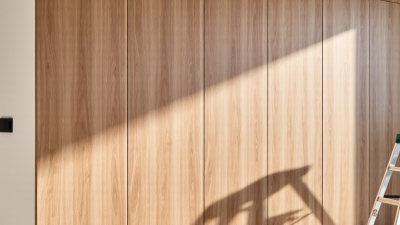
WPC wall panels combine wood fibers with thermoplastic materials, creating a surface that can bring warmth to rooms without the upkeep of painted timber.
Their main practical benefit is easy cleaning: dust and everyday marks usually come off with a soft cloth and mild soap.
Less fuss.
In busy hallways, kitchens, or family rooms, this can save time compared with repainting or repairing scuffed walls. Many panels also resist routine moisture better than untreated wood, though that does not make every product suitable for showers or persistently damp areas.
Installation can be relatively straightforward, and panels are available in finishes that resemble wood grain or create a cleaner, modern look. They may also cover minor wall imperfections, provided the surface and fitting method are suitable.
Check the manufacturer’s technical details, especially for fire performance, indoor use, and cleaning requirements.
Quality and construction vary. WPC can expand or contract with temperature changes, so proper spacing and installation matter; a rushed fit may lead to gaps or uneven edges.
Not a perfect fix.
Consider the room’s ventilation and exposure to moisture before choosing panels, rather than assuming one material suits every wall.
Where Are WPC Wall Panels Commonly Used?
WPC wall panels are commonly used in living rooms, hallways, and bedrooms, where they create a durable feature wall or conceal uneven surfaces. In kitchens and bathrooms, they may suit areas away from direct, prolonged water exposure; product specifications matter. Hotels, offices, shops, and restaurants also use them in reception areas and corridors, where walls face frequent contact and need regular cleaning. Grand View Research’s Wood Plastic Composites Market report estimated the global market at about US$7.4 billion in 2023, with projected annual growth of 11.4% from 2024 to 2030. That wider market includes several applications, so the figure should not be read as wall-panel sales alone.
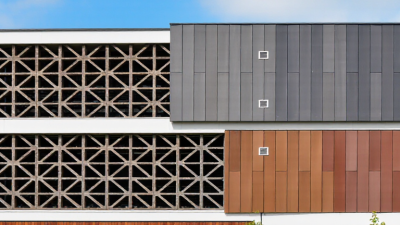
For exterior use, WPC cladding is found on façades, covered balconies, and garden structures, provided the panel is rated for weather exposure. It can add a consistent, wood-like finish. It is not automatically maintenance-free. Sunlight, moisture, and installation gaps can affect performance over time. The 2024 Global Status Report for Buildings and Construction from UNEP states that the sector accounted for 34% of global energy demand and 37% of energy- and process-related carbon dioxide emissions in 2022. Those figures make material choices relevant, but they do not prove that every WPC panel has a lower impact. Check product composition, fire rating, ventilation, and care instructions before specifying it. A small detail, but an important one.

 Hot Selling